Key Takeaways
- A consistent care routine protects your biggest asset and can cost roughly one percent of the property’s value each year
- Comparing a monthly rhythm against seasonal-only checklists reveals that smaller, frequent inspections catch problems before they become expensive emergencies
- Safety devices like smoke alarms and carbon monoxide detectors need testing far more often than most homeowners realize
- Interior and exterior checks require different tools, timing, and skill levels, so splitting them into separate routines works better than one marathon weekend
- Hiring a professional for specialized inspections, such as roofing, pays off compared to DIY attempts that miss subtle warning signs
- A written checklist beats memory every time, and digital reminders outperform paper lists for most busy households
- Budgeting a small monthly amount for upkeep is more realistic than scrambling for cash when a major system fails
Owning a house feels great until something breaks at the worst possible moment. The water heater quits on a Sunday night. A storm reveals a slow roof leak you never noticed. The furnace rattles to a stop in January. These moments feel random, but they rarely are. Most of them trace back to small warning signs that showed up weeks or months earlier.
That’s where a steady upkeep routine comes in. Instead of waiting for things to fail, you build short check-ins into your calendar and catch issues while they’re still cheap to fix. The question most homeowners wrestle with isn’t whether to do it, but how often, how deep, and which approach actually saves money in the long run.
This guide weighs the different schools of thought on home care, compares DIY versus professional work, and lays out a practical rhythm you can follow without burning weekends on chores.
Why a Monthly Rhythm Beats Seasonal-Only Checklists
There are two main camps when it comes to residential upkeep. The first swears by seasonal checklists, tackling everything in a few big pushes each spring and fall. The second prefers smaller, more frequent walk-throughs spread across every month of the year. Both can work, but they produce very different results.
Seasonal-only approaches tend to miss things. A clogged dryer vent discovered in October may have been quietly building up fire risk since July. A dripping faucet left for six months wastes hundreds of gallons. By contrast, breaking home maintenance into bite-sized monthly check-ins keeps minor problems from compounding. You spend less time per session, and nothing gets buried under a pile of other jobs.
The cost argument also favors the monthly camp. According to Homebuyer.com, the Federal Reserve Bank of St. Louis puts the typical yearly cost of upkeep and repairs at around 1.02 percent of a home’s value. On a $400,000 house, that’s roughly $4,000 a year. Spreading inspections and small fixes across the calendar makes that number easier to absorb and far less likely to balloon when a neglected issue finally forces your hand.
Safety Systems: The Non-Negotiable Checks
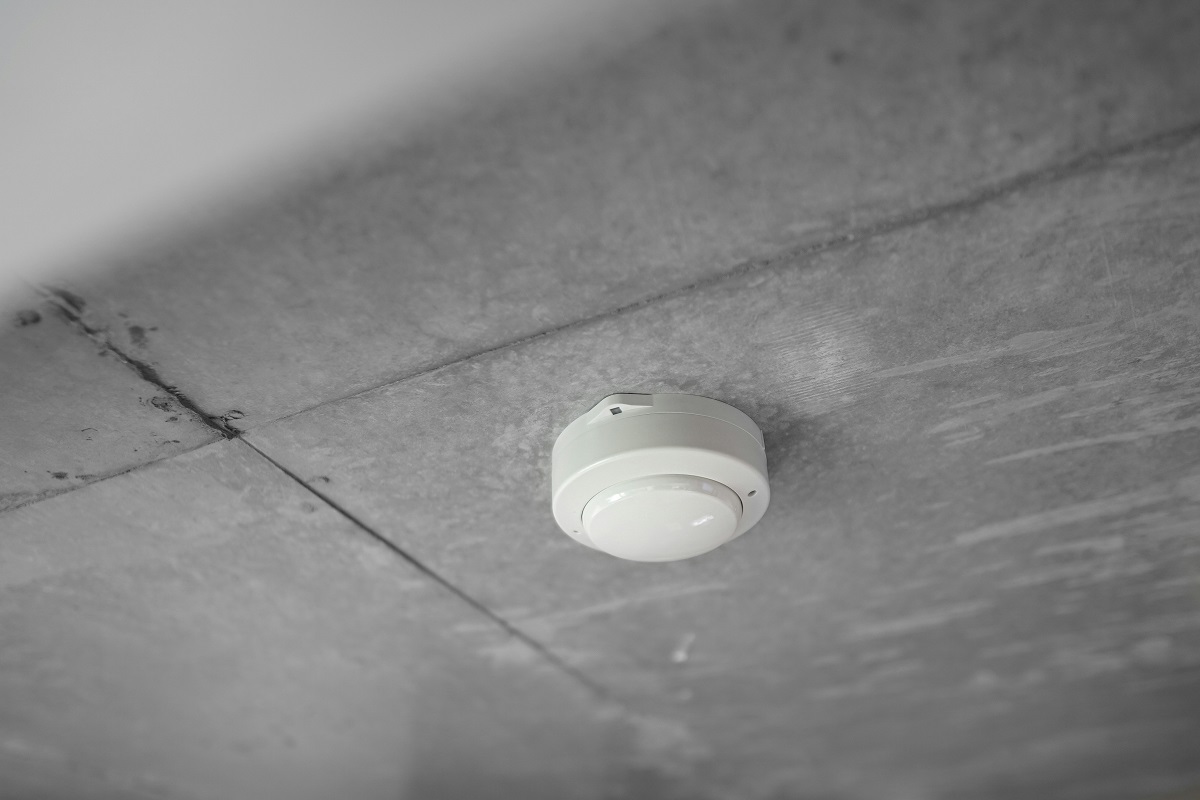
If there’s one category where frequency genuinely matters, it’s safety. Smoke alarms, carbon monoxide detectors, and fire extinguishers protect your family in ways nothing else does, and they’re also among the easiest things to test. Unlike cosmetic repairs or seasonal upkeep, these devices stand between a minor incident and a catastrophic one, which is why they belong at the very top of your monthly home maintenance tasks rather than buried in an annual checklist.
Here’s where expert opinions actually diverge. According to the U.S. Fire Administration via HomeLight, homeowners should test smoke and carbon monoxide alarms every month and swap the batteries annually. The National Association of Home Builders takes a slightly more relaxed stance, suggesting a battery check twice per year. Both agencies agree the devices need regular attention, but the monthly test is the safer habit by a wide margin. It takes thirty seconds and tells you immediately whether the unit still works. Consider that most smoke alarm sensors degrade silently over time, and a chirping low-battery warning in the middle of the night is both annoying and a sign you’ve waited too long. A quick monthly press of the test button eliminates the guesswork entirely.
It’s also worth remembering that smoke alarms themselves have an expiration date — typically ten years from the manufacture date printed on the back — and carbon monoxide detectors usually last five to seven. Your monthly check is the perfect moment to glance at those dates and plan replacements before the unit stops functioning altogether. Homes with attached garages, gas appliances, or wood-burning fireplaces have even more reason to stay vigilant, since carbon monoxide is odorless and symptoms often mimic the flu.
Quick Safety Items to Run Through Each Month
- Press the test button on every smoke and carbon monoxide alarm
- Check that fire extinguisher pressure gauges sit in the green zone
- Look at GFCI outlets in bathrooms, kitchens, and outdoor areas by pressing the test and reset buttons
- Confirm escape routes are clear of clutter or stored items, especially near bedroom doors and basement stairs
- Scan for frayed cords, overloaded outlets, or warm switch plates
- Verify that your home’s address numbers are visible from the street for emergency responders
- Inspect the area around your furnace, water heater, and dryer for lint, dust, or stored flammables
Running through this short list beats any seasonal deep-dive because small failures show up constantly and need fast fixes. A fire extinguisher that lost pressure in July won’t help you in October, and a tripped GFCI you never noticed could mean water is reaching electrical components somewhere you can’t see. Treating these items as part of ongoing home maintenance — rather than a once-a-year ritual — turns safety into a background habit instead of a scramble after something goes wrong.
Interior Checks Versus Exterior Checks: Different Rhythms, Different Tools
One of the smarter debates in household care is whether to lump inside and outside work together or treat them as separate routines. Combining them sounds efficient on paper, especially when you’re trying to knock out monthly home maintenance tasks in a single weekend, but in practice it leads to burnout and skipped items. People start strong at the front door, run out of steam by the time they reach the attic, and either rush through the exterior sweep or postpone it entirely. Separating them works better for most people because each type of work has its own pace, its own gear, and its own ideal weather window.
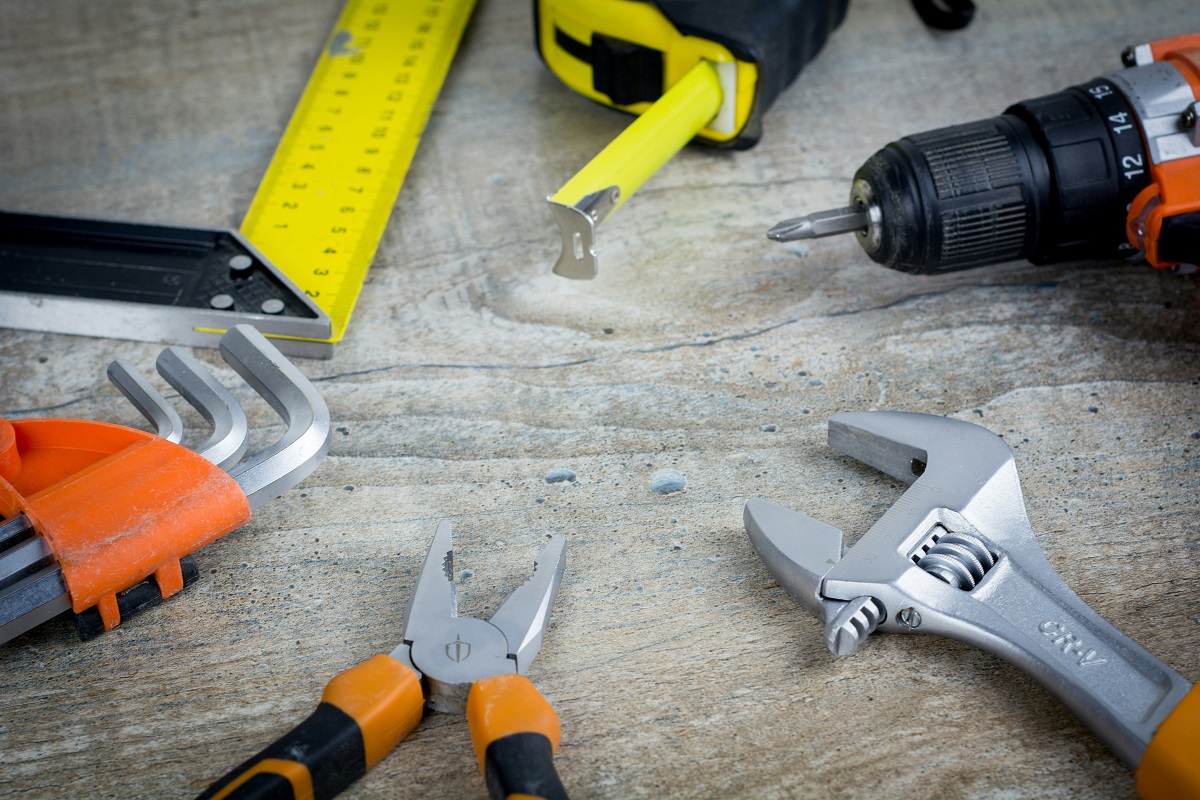
Interior work usually takes less time and happens year-round regardless of weather. You’re checking plumbing fixtures, HVAC filters, appliance seals, and signs of moisture in basements or under sinks. These jobs rarely need special equipment beyond a flashlight, a notepad, and maybe a screwdriver, and you can do them in slippers on a rainy afternoon with a cup of coffee in hand. Exterior work, by contrast, demands daylight, dry conditions, and often a ladder, work gloves, a hose, or a leaf blower, which naturally pushes it toward specific windows in the month when the forecast cooperates. Lumping the two together forces the slower, weather-dependent chores to drag down the quick indoor sweep, and vice versa.
There’s also a mental difference worth naming. Interior checks are quiet, methodical, and low-stakes in the moment — you’re mostly watching and listening. Exterior checks involve more physical effort, more risk from heights or power tools, and more reliance on things you cannot control, like wind or temperature. Treating them as two separate rhythms respects those differences and keeps you safer and more consistent.
What a Good Interior Walk-Through Looks Like
Spend about an hour inside each month going room by room, ideally with a short written checklist so nothing gets skipped from one month to the next. Replace or clean HVAC filters when they look gray, and note the date on the filter frame so you can track how fast they load up in your particular home. Run water in guest bathrooms and basement floor drains to keep traps from drying out and letting sewer gas drift inside. Open the dishwasher and check the gasket for grime, food debris, or hairline cracks, then wipe it down with a mild vinegar solution. Peek behind the washing machine for hose bulges, rust at the connection points, or any slow weeping that could become a flood overnight.
While you’re moving through the house, flush toilets and listen for a tank that keeps running, open cabinet doors under every sink to feel for dampness, test smoke and carbon monoxide detectors, and glance at the water heater for pooling or corrosion at the base. In the kitchen, pull the refrigerator out an inch or two and vacuum the coils. In bedrooms, check windows for condensation that could point to failing seals. These sound minor, but combined they add years to major appliances and head off water damage, which is one of the costliest claim categories in homeowner insurance.
For families serious about efficiency and lower utility bills, pairing these checks with a focus on high-performance home upkeep can turn routine inspections into genuine savings on energy costs. A clean filter, a tight gasket, and a well-sealed window do not just prevent problems — they lower the load on every system in the house, month after month.
Comparing DIY Work to Professional Inspections
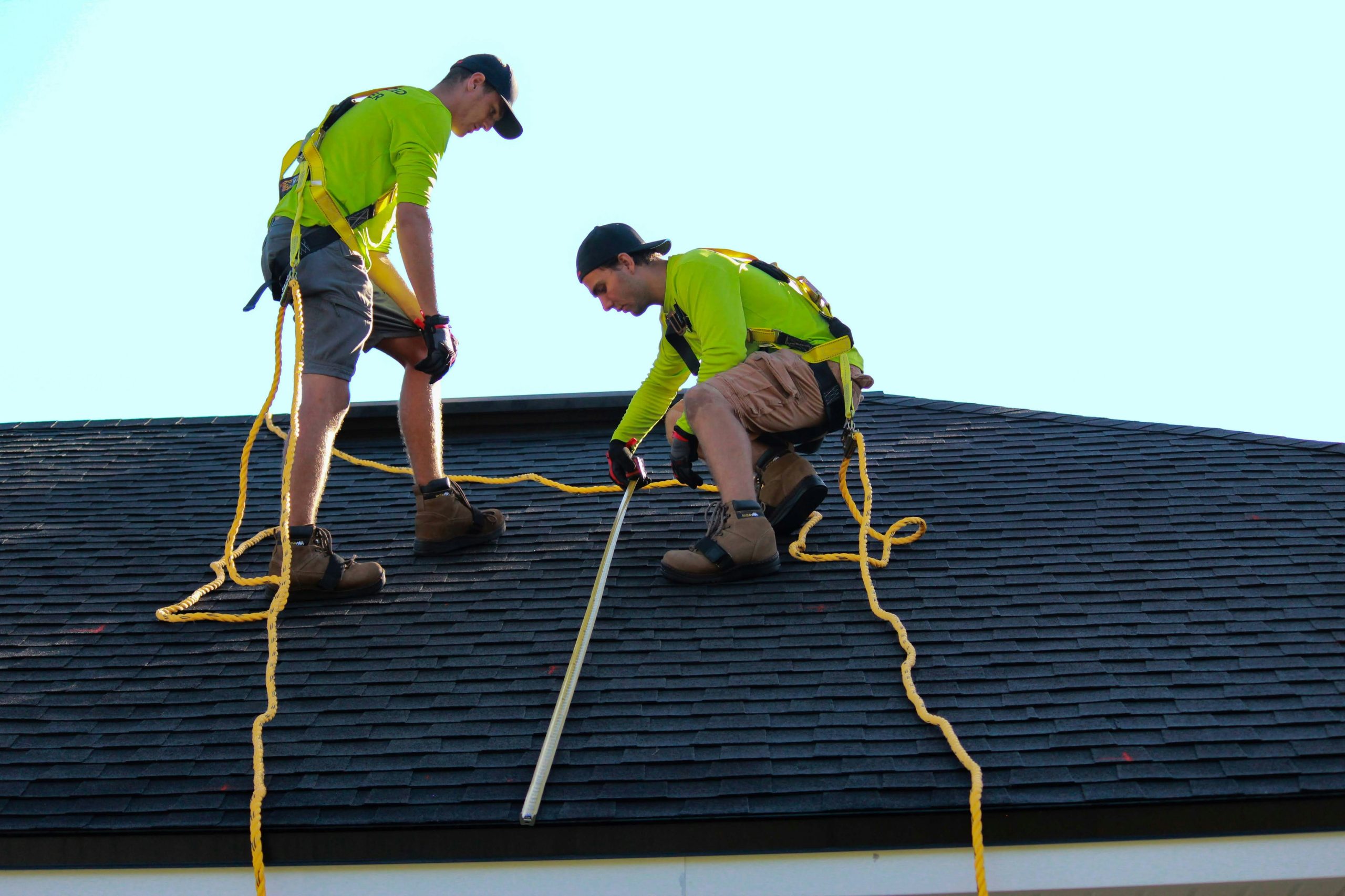
Not every job belongs on your plate. Knowing when to call someone is just as important as knowing which chores to handle yourself. The DIY approach saves money upfront but can miss subtle issues that an experienced tradesperson spots in minutes.
Roofing is the classic example. You can glance up from the yard and see missing shingles, but you can’t properly evaluate flashing, underlayment condition, or ventilation from the ground. The National Association of Home Builders recommends bringing in a qualified roofer for a professional inspection every three years. That cadence works well because roofing problems rarely show inside the house until significant damage has already occurred.
Here’s a rough comparison of where each approach shines:
- DIY wins for: filter changes, battery swaps, caulk touch-ups, gutter cleaning on single-story homes, visual inspections
- Professionals win for: roof assessments, chimney sweeps, HVAC tune-ups, electrical panel reviews, pest inspections
- Mixed approach works for: plumbing (handle minor leaks yourself, call a plumber for anything behind walls)
- Skip DIY entirely for: gas line work, major electrical, structural concerns, mold remediation
The money math usually favors a blend. Doing basic monthly home maintenance tasks yourself keeps costs down, while scheduling specialists for complex systems protects you from expensive mistakes.
Building a Checklist That You’ll Actually Use
The best plan is the one you’ll stick with. Elaborate spreadsheets look impressive but tend to collect dust. Simple, visible, and automated beats clever every time.
Paper checklists stuck to the fridge work for some households, but digital reminders tend to outperform them. A recurring calendar entry pings you whether you’re home or traveling, and apps like Google Keep or Todoist let you check items off without hunting for a pen. The friction is lower, and lower friction means higher follow-through.
Setting Up Monthly Reminders That Stick
- Pick one consistent day each month, like the first Saturday, and anchor the routine to it
- Split the list into a fifteen-minute safety sweep and a longer inspection block
- Keep tools together in one bin so you’re not hunting for a flashlight or filter
- Log what you did and what you noticed, even in a short note on your phone
- Review the log every three months to spot patterns, like a filter that clogs faster than expected
Patterns matter more than people realize. If the same bathroom fan keeps collecting dust unusually quickly, something upstream may be off. If a particular window keeps fogging, the seal is probably failing. A short log turns random observations into useful data.
Budgeting for Repairs Before They Happen
The financial side of ownership trips up more households than the physical work does. A furnace replacement can run $5,000 or more. A new roof easily clears $12,000. Water heater failures land somewhere in the middle. None of these are surprises in the long run, yet most families treat them that way.
Setting aside a small amount each month changes the math. If you aim for roughly one percent of your home’s value annually and divide it across twelve months, the number feels manageable. Some months you’ll spend nothing and the fund grows. Other months a repair eats into it. Over several years, the account absorbs the big hits that would otherwise land on a credit card.
A separate savings account works best for this. Keeping repair money mixed with everyday checking makes it too easy to spend. A dedicated account, even one earning modest interest, creates a mental firewall that protects the funds for their intended purpose.
Final Thoughts
Taking care of a house doesn’t have to mean sacrificing weekends or dreading the next big bill. The homeowners who stay ahead of problems share a few habits: they test safety devices every month, they separate interior and exterior routines so neither gets skipped, and they know which jobs to hand off to professionals rather than attempt themselves.
The monthly approach wins on both time and money. Short, consistent check-ins reveal small issues while they’re still small. A written log turns those observations into useful patterns, and a dedicated repair fund keeps surprises from turning into financial emergencies. None of these habits require expertise or expensive tools, just a willingness to show up for thirty minutes to an hour on a predictable schedule.
Start simple. Pick a date on next month’s calendar, test your alarms, walk through your rooms with fresh eyes, and jot down what you see. Build from there. Within a year you’ll have a rhythm that protects your property, your budget, and your peace of mind, all without feeling like a second job.