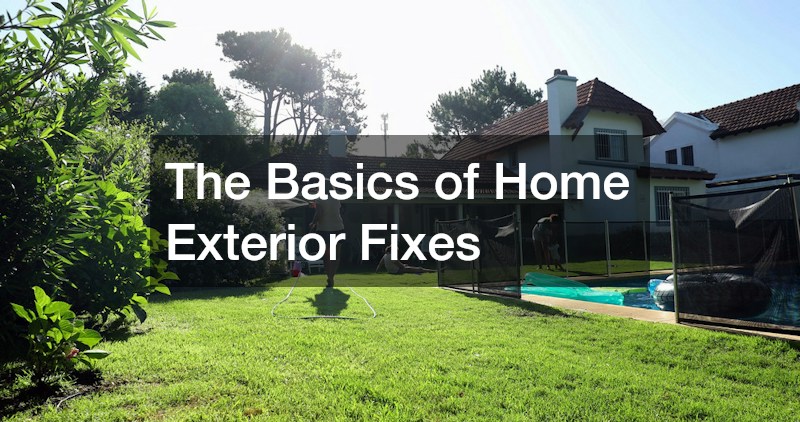
Maintaining the exterior of a home is one of the most important responsibilities for any property owner. While interior design and remodeling projects often take center stage in home improvement conversations, the outer shell of your house serves as the first line of defense against the elements. A well-maintained exterior not only boosts curb appeal and increases overall property value but also protects structural integrity from costly environmental damage. Whether you are addressing minor wear and tear, upgrading outdated architectural elements, or preparing your property to withstand extreme weather, understanding the core components of exterior maintenance is essential. From the roof over your head to the perimeter that surrounds your yard, every area requires specialized attention and care.
Taking on exterior updates can feel overwhelming given the range of materials, trades, and mechanical considerations involved. Homeowners must balance long-term durability, aesthetic appeal, and ongoing maintenance demands. By breaking down the home exterior into manageable focus areas, you can systematically evaluate what needs immediate repair and what can be scheduled for future upgrades. This guide provides an in-depth breakdown of essential exterior zones, outlining practical strategies for maintaining your roof, siding, outdoor living spaces, boundaries, and surrounding grounds to ensure your home remains safe, attractive, and resilient for years to come.
Protecting Your Overhead Shield
Inspecting Shingles and Flashing Regularly
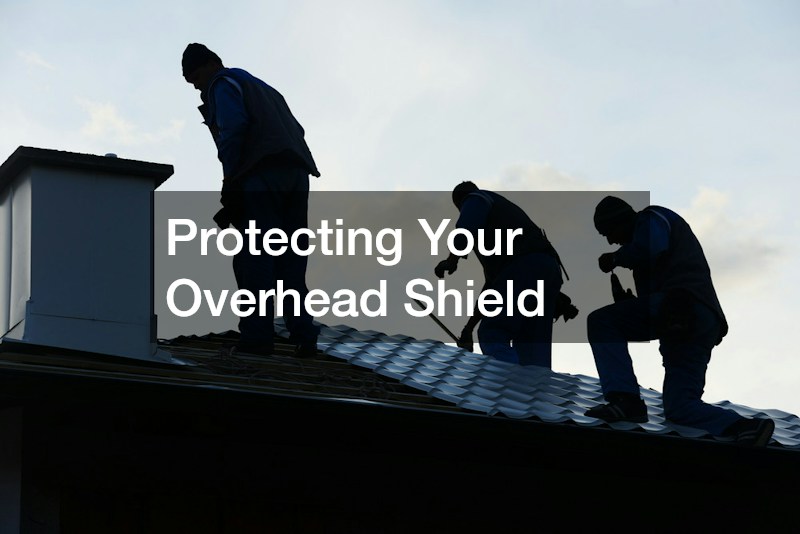
The roof is arguably the most critical protective barrier of your home, bearing the direct impact of rain, wind, snow, and severe heat. Routine inspections are necessary to identify early signs of deterioration before moisture penetrates the underlying structure. Look closely at the condition of individual shingles, watching for curling edges, cracked surfaces, or widespread loss of protective granules. Flashing around chimneys, skylights, and vent pipes requires equal attention, as degraded sealant or rusted metal along these seams is a primary entry point for water leaks. Catching minor flashing gaps early prevents hidden wood rot beneath the deck.
Working with Roof Professionals
While homeowners can perform basic visual assessments from the ground, complex roof work demands specialized training and equipment. Partnering with local roofers ensures that inspections, minor repairs, and full replacements adhere to regional building codes and weather demands. Experienced tradespeople can safely evaluate high-pitched roofs, spot hidden structural sagging, and properly install underlayments that extend the life of your shelter. Relying on qualified specialists guarantees that warranty requirements are met and that your home stays leak-free during heavy storms.
Managing Drainage and Gutter Systems
Roofing systems rely heavily on functional gutters and downspouts to direct runoff away from the property foundation. When gutters become clogged with leaves, twigs, and roof granules, water backs up under the eaves and damages fascia boards, soffits, and underlying roof decking. Inspecting system brackets twice a year ensures that the trough maintains a consistent slope toward downspout outlets. Adding leaf guards reduces manual clearing frequency while ensuring heavy rainfall drains smoothly into designated discharge zones far from the basement walls.
Safeguarding the Exterior Walls
Evaluating Cladding for Weather Resistance
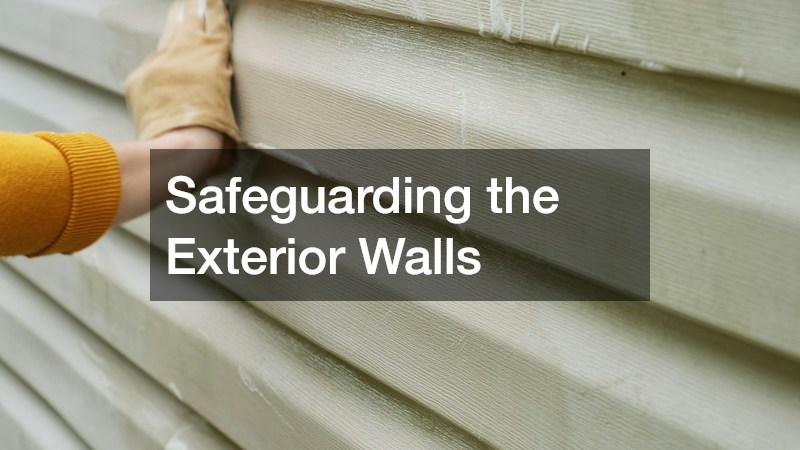
Wall cladding acts as the primary thermal and weather barrier for the sides of your residence. Over time, exposure to moisture, severe ultraviolet rays, and fluctuating temperatures can cause cladding materials to crack, warp, or split. Check your walls routinely for loose panels, moisture buildup, or signs of mold and mildew growth. Sealing small gaps with high-quality exterior caulk prevents water from seeping behind the panels, which can otherwise compromise insulation, damage interior drywall, and encourage destructive mold colonies within the wall cavities.
Choosing the Right Wall Installers
When wall cladding suffers significant damage or reaches the end of its functional lifespan, replacing it requires precision craft. Engaging professional siding contractors guarantees that moisture barriers, trim, and structural panels are installed seamlessly. Professional installation prevents wind uplift during severe storms and creates a continuous thermal seal around your property. Upgrading your siding with modern, weather-resistant materials dramatically transforms your home’s appearance while simultaneously decreasing heating and cooling costs through improved thermal efficiency.
Sealing Openings and Architectural Trim
Every door frame, window header, and exterior vent penetrates your exterior wall system, creating potential pathways for air infiltration and water intrusion. Inspecting window trim annually for soft wood or flaking paint preserves structural framing and maintains indoor efficiency. Applying flexible polyurethane caulk along joints where materials meet stops drafts and halts moisture ingress before freeze-thaw cycles cause wall materials to crack. Fresh protective coatings on decorative trim keep these architectural elements looking sharp while adding a secondary moisture seal.
Enhancing Outdoor Living Spaces

Designing Durable Decks and Grounds
Outdoor living spaces expand the functional square footage of your home, creating welcoming areas for relaxation, cooking, and hosting guests. Designing an enduring outdoor area involves selecting durable materials capable of surviving exposure to rain, snow, and sunlight. Ground-level installations demand proper base preparation, including ground excavation, gravel compaction, and effective drainage channels, to prevent uneven settling or standing water. Selecting resilient stone, concrete pavers, or treated timber ensures your entertaining space remains stable and safe through changing seasons.
Crafting Functional Stone Features
Executing complex ground-level projects like stone pathways, retaining walls, or custom stone entertainment surfaces requires specialized masonry skills. Qualified hardscaping contractors possess the technical expertise needed to manage soil load capacity, design proper drainage systems, and lay level foundations for heavy materials. Their craftsmanship ensures that heavy retaining walls do not buckle under wet soil pressure and that paver spaces remain level and trip-free, adding both function and lasting beauty to your landscape design.
Building Custom Ground Structures
For homeowners seeking flat, elegant surfaces for outdoor furniture, custom concrete or stone surfaces are an ideal solution. Engaging experienced patio contractors allows you to design custom layouts tailored specifically to the contours of your yard and architectural style. Professionals can properly site the project to divert water runoff away from your foundation, select proper sealants to prevent staining, and install reinforced bases that resist cracking during seasonal freeze-and-thaw cycles.
Adding Overhead Shade and Shelter
Unprotected outdoor areas can become unusable during periods of intense summer sunlight or rain. Installing flexible overhead covers, stationary panels, or retractable awnings provides effective weather protection for windows, entryways, and entertaining zones. These overhead structures enhance comfort, protect outdoor furniture from sun fade, and reduce solar heat gain through nearby house windows, ultimately reducing indoor cooling requirements during peak summer months.
Defining Property Boundaries
Selecting Resilient Barrier Materials
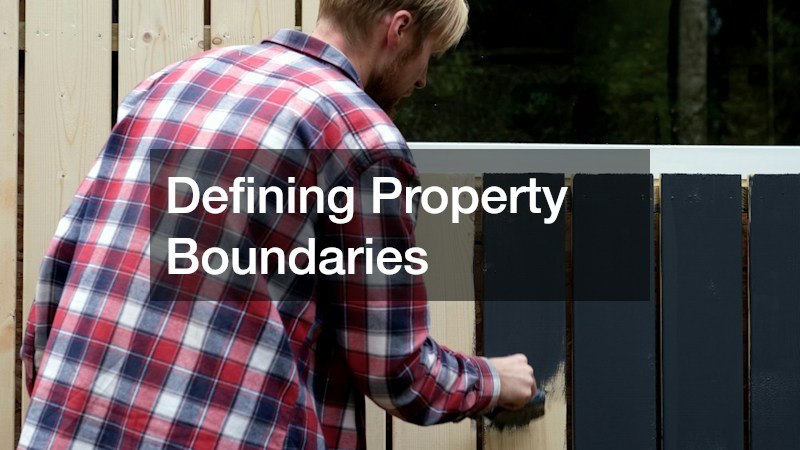
Installing fencing offers privacy, secures pets and children, and clearly defines property lines. Choosing the right perimeter materials depends heavily on your maintenance preferences, budget, and local architectural styles. Traditional wood panels offer classic charm but require regular staining or painting to resist moisture and insect damage. Metal designs provide strength and modern security, while synthetic alternatives offer high durability with minimal ongoing effort. Evaluating local wind loads and soil conditions helps determine the ideal post depth and anchoring techniques for long-term stability.
Installing Low-Maintenance Enclosures
For homeowners who prefer a durable barrier that requires virtually no upkeep, vinyl fences are an exceptional alternative to traditional wood. Modern synthetic enclosures resist fading, rotting, cracking, and insect infestation without ever needing paint or stain. Cleaning them requires nothing more than a simple rinse with a garden hose or a mild detergent spray. Their modular construction allows for clean lines and consistent privacy, making them a popular and long-lasting choice for modern suburban properties.
Managing Boundary Upkeep
Proper maintenance of any boundary perimeter extends its lifespan and keeps your yard looking tidy. Wooden boundaries should be inspected yearly for rot near the soil line, loose boards, and rusting hardware. Synthetic and metal barriers require routine checks to ensure posts remain plumb and support gates operate smoothly without sagging. Promptly repairing broken sections, tightening hardware, and clearing heavy vegetation away from the baseline prevents structural strain and preserves boundary integrity over time.
Upkeep of Grounds and Vegetation
Maintaining Grounds and Plant Health
A healthy, well-planned yard enhances your house design while preventing soil erosion around the foundation. Routine care involves proper mowing practices, aeration, seasonal fertilization, and smart plant choices suited to your local climate zone. Keeping garden beds mulch-layered helps retain soil moisture, suppress invasive weeds, and regulate earth temperatures. Additionally, directing irrigation spray away from your home’s exterior walls prevents moisture damage to cladding, windows, and foundation concrete.
Partnering with Grounds Care Specialists
Designing and maintaining a comprehensive yard plan often requires significant time, equipment, and biological expertise. Working with professional landscapers allows homeowners to implement efficient irrigation systems, pick native plant species that thrive locally, and establish long-term soil management routines. Professional care keeps your grounds looking vibrant through all four seasons while protecting your property investment from drainage issues and overgrowth.
Executing Comprehensive Exterior Projects
Large-scale property updates require seamless coordination between hard surfaces, soft vegetation, and structural drainage systems. Enlisting a full-service landscaping company ensures that your outdoor environment is designed as a cohesive ecosystem. These experts can handle everything from grading soil away from your home foundation to installing balanced lighting, plant beds, and water features, transforming an ordinary yard into a unified, highly functional outdoor environment.
Managing Tree Safety and Removal
Large trees provide natural shade, lower cooling costs, and add character to your property, but they can also pose severe risks if neglected. Overhanging branches can scrape roofing materials, block gutters with falling debris, or drop during high winds, causing massive structural damage. Regular pruning removes dead or diseased limbs, reduces wind resistance in the canopy, and keeps branches a safe distance from your home. When a tree becomes structurally unstable, infested, or dangerously close to utility lines, professional tree removal services are necessary to clear the hazard safely using heavy rigging and specialized machinery without damaging nearby structures.
Long-Term Value and Seasonal Maintenance
Developing an Annual Maintenance Calendar
Creating a structured maintenance schedule prevents minor issues from escalating into major structural expenditures. Organizing maintenance tasks by season ensures critical systems are evaluated at the right times of year. Spring should focus on post-winter inspections of roof shingles, siding seals, and clear gutter water flows. Summer is ideal for surface cleaning, painting, and structural repairs on decking or masonry. Autumn preparation should prioritize leaf clearance, tree trimming, and winterizing water outlets, while winter serves as an observational period to monitor ice formation and internal draft behavior.
Budgeting for Exterior Upgrades
Homeowners should anticipate ongoing maintenance expenses by setting aside funds specifically for exterior care and capital replacements. Allocating funds annually for structural components ensures you are never caught unprepared when big-ticket items reach the end of their operational lifespans. Prioritizing projects based on structural necessity—such as fixing active leaks or failing foundations before focusing on purely cosmetic upgrades—protects your financial investment and keeps the home structurally sound for decades.
Essential Preventive Maintenance Checklist
Seasonal Roof and Gutter Clearing
- Clear leaves, twigs, and sediment from gutters and downspouts every spring and autumn to ensure unobstructed water flow away from the foundation.
- Inspect gutter joints for leaks and ensure downspouts extend at least three to five feet away from home walls.
- Remove accumulated debris from roof valleys and behind chimneys where trapped moisture accelerates material decay.
Exterior Surface Washing and Sealing
- Wash exterior walls annually using a gentle detergent and low-pressure spray to eliminate dirt, pollen, mold, and mildew.
- Inspect caulk seals around window frames, door trim, and utility line penetrations, reapplying exterior silicone sealant where gaps appear.
- Apply water-resistant sealer to wooden decking, porch railings, and bare concrete surfaces every two to three years to prevent moisture absorption and freeze damage.
Perimeter and Foundation Management
- Maintain a clear slope away from your foundation wall, ensuring soil drops at least six inches over the first six feet extending outward.
- Keep wood mulch, fallen leaves, and dense shrubbery at least twelve inches away from siding to deter termites and moisture retention.
- Trim ground vegetation away from perimeter boundaries and air conditioning compressors to maintain optimal airflow and prevent physical crowding.
Maintaining the exterior of your home is an ongoing process that yields substantial returns in safety, comfort, and property value. By staying vigilant and conducting regular inspections across your roof, siding, outdoor living spaces, boundaries, and surrounding grounds, you can identify minor issues before they turn into costly structural repairs. Simple proactive steps, such as clearing gutters, sealing small gaps, and trimming overhanging foliage, go a long way toward preserving the integrity of your shelter. Combining DIY routine care with the specialized skills of professional contractors guarantees that complex installations and structural fixes are handled safely and correctly. Investing time and attention into your home exterior creates an attractive, resilient environment that protects your family and stands strong against any weather.