
A home is more than a place to live. It is also a major financial commitment that needs ongoing attention to remain safe, comfortable, and functional. Weather, everyday use, aging materials, and unexpected problems can gradually weaken important parts of a property. Small issues that go unnoticed often become more disruptive and expensive than repairs handled promptly.
Protecting your investment does not mean renovating every room or choosing the most expensive upgrades. It means understanding which systems need attention, recognizing warning signs, and scheduling improvements that address real problems. A practical maintenance plan considers the roof, plumbing, windows, heating and cooling, and exterior areas together. These components influence one another, so ignoring one problem can undermine work completed elsewhere. A written checklist helps keep routine tasks from slipping.
Homeowners can make better decisions by combining routine inspections with professional assistance when specialized equipment, training, or safety precautions are required. The following improvements offer ways to reduce avoidable damage, maintain everyday comfort, and prepare a property for the years ahead.
Keep Your Roof in Good Condition
Your roof provides a critical barrier against rain, snow, wind, and sunlight. When shingles loosen or flashing deteriorates, moisture can reach the underlying structure before anyone notices a stain indoors. Inspecting the roof from the ground after severe weather may reveal missing materials, sagging areas, or debris collecting near gutters. Interior warning signs include discolored ceilings, peeling paint, and damp attic insulation.
Scheduling residential roof repair when damage first appears can prevent a small opening from developing into a wider moisture problem. Roofing professionals can examine vulnerable areas, identify the source of leaks, and determine whether targeted repairs are appropriate. They may also check ventilation and drainage because trapped heat, excess humidity, and standing water can shorten the useful life of roofing components.
Keep gutters and downspouts clear enough to direct water away from the building. Overflows can damage fascia, siding, and foundations, even when the roof surface remains intact. If trees overhang the house, ask a qualified professional to evaluate branches that could fall or scrape against shingles.
Avoid walking on a steep or damaged roof yourself. Besides creating a fall hazard, foot traffic may loosen materials or worsen an existing opening. Document visible changes with photographs and keep records of inspections and completed work. A history of maintenance makes it easier to prioritize future repairs and understand how the roof is aging.
Respond Quickly to Plumbing Problems
Plumbing problems can spread damage far beyond the fixture where they begin. A leaking supply line may soak cabinets and flooring, while a clogged drain can lead to wastewater backing up into living spaces. Watch for unexplained increases in water use, persistent dripping, reduced pressure, unpleasant odors, or staining around pipes. These signs deserve attention before they interrupt normal routines.
When a pipe bursts or water begins entering the home uncontrollably, an emergency plumber can identify the failure and perform the necessary repairs. Knowing where the main shutoff valve is located helps limit damage while professional assistance is arranged. Everyone in the household who can safely operate the valve should understand how it works. If water is near outlets or electrical equipment, avoid entering the affected area until it is safe.
Not every plumbing concern requires an urgent visit. Slow drains, worn seals, and aging fixtures can often be addressed through scheduled maintenance. However, recurring problems may point to damaged lines or other issues that a simple temporary fix will not resolve.
After a leak, drying the visible surface is not always enough. Water may remain behind walls, beneath flooring, or inside insulation. Assess affected materials and correct the source before restoring finishes. Repairing both the immediate failure and its consequences helps protect the structure and reduce the chance of another costly disruption.
Upgrade Windows and Insulation Together
Windows and insulation influence temperature control, noise, drafts, and the amount of energy a home needs for heating and cooling. Older windows may develop failing seals, damaged frames, or gaps that allow unwanted air movement. Before considering window replacement, check whether weatherstripping, caulking, hardware adjustments, or localized repairs could solve the problem. Replacement becomes more reasonable when frames are severely deteriorated or performance problems persist.
New windows should suit the local climate, the home’s design, and the surrounding wall construction. Installation matters as much as the product itself. Poor sealing or flashing can allow moisture into the wall, creating problems that are difficult to detect until damage has developed. Ask installers how they will manage water at openings and finish the surrounding materials.
The same whole-house thinking applies to insulation. Qualified insulation companies can evaluate attics, walls, crawl spaces, and other areas where heat moves between indoors and outdoors. They can also help identify opportunities to seal unintended air leaks before adding insulation. Addressing both issues may produce more consistent comfort than focusing on one improvement alone.
Do not cover active moisture problems with new insulation or finishes. Repair leaks, investigate condensation, and confirm that affected areas are dry first. When windows, air sealing, and insulation work together, rooms may feel more comfortable and heating and cooling equipment may have less work to do throughout the year.
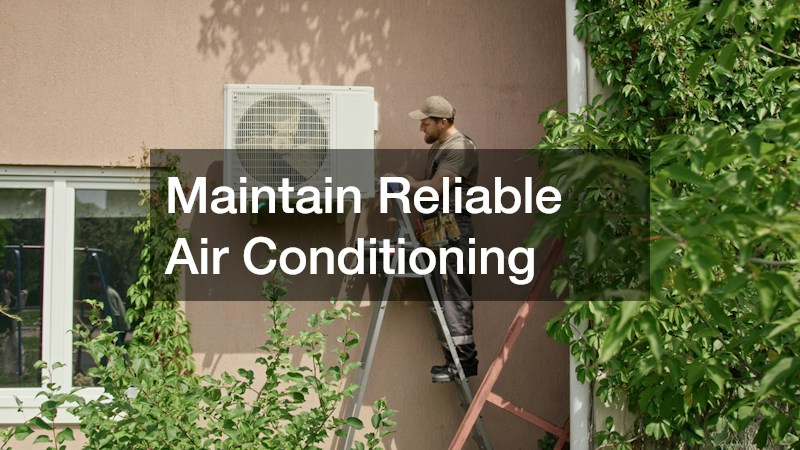
Maintain Reliable Air Conditioning
Cooling systems often work hardest during the periods when homeowners need them most. Inconsistent temperatures, unusual noises, weak airflow, and water collecting near equipment can indicate developing problems. A system that runs continuously without cooling effectively may need attention, although thermostat settings, clogged filters, and blocked vents are worth checking first.
Scheduling ac repairs as symptoms appear can prevent a minor component issue from creating a larger interruption. Technicians may inspect electrical connections, refrigerant performance, drainage, controls, and airflow to locate the cause. Refrigerant handling and electrical repairs require appropriate professional expertise, so these tasks should not become do-it-yourself experiments.
Simple upkeep supports reliable operation. Replace or clean filters according to the equipment manufacturer’s guidance, keep supply and return vents unobstructed, and remove leaves or other debris from around outdoor units. Make sure landscaping does not crowd equipment that needs space for airflow and service access. Seasonal maintenance appointments can also reveal wear before the hottest weather arrives.
Before replacing an aging unit, consider the condition of your home as a whole. Poor insulation, significant air leaks, and unshaded windows can increase cooling demands. Improving those areas may affect the size or type of equipment the house needs. A thoughtful approach balances repair costs, equipment age, efficiency, and indoor comfort rather than assuming replacement is always the better investment.
Address Mold Risks and Termite Activity
Moisture and pests can quietly damage areas that homeowners rarely see. Bathrooms, basements, crawl spaces, and spaces around leaking windows are common places to investigate when dampness or musty odors persist. Stains and visible growth may indicate that water is entering or accumulating somewhere. Simply painting over these signs does not address the underlying cause.
For extensive contamination, recurring growth, or situations involving sensitive occupants, mold removal companies can assess affected areas and explain appropriate containment and remediation methods. The specific approach depends on the material, extent of damage, and source of moisture. Correcting leaks, improving drainage, and managing indoor humidity are essential parts of preventing problems from returning.
Termites present a different concern because their activity may remain concealed inside wood or soil near a foundation. Mud tubes, discarded wings, damaged trim, and hollow sounding wood can warrant further investigation. Professional termite control services can assess whether termites are present and recommend a response based on the building and conditions around it.
Keep soil, mulch, and stored wood from creating unnecessary moisture or hidden access points next to the house. Check that downspouts move water away from the foundation, and repair damaged exterior materials promptly. Regular inspections are valuable because early evidence may be subtle. By responding to moisture and pest concerns together, homeowners can protect structural materials and avoid repeating repairs that fail to address the original problem.

Improve Drainage and Outdoor Living Areas
Outdoor improvements can be attractive without sacrificing practical maintenance needs. Patios, walkways, retaining walls, and driveways all influence how people move around a property and where rainwater travels. Cracked surfaces, shifting pavers, or pooling water may signal problems beneath the visible finish. Ignoring these conditions can increase the risk of trips, erosion, and damage near the foundation.
A hardscaping company can help plan durable outdoor features suited to the site’s slope, soil, expected use, and drainage needs. Before selecting materials, discuss where runoff will go during heavy rainfall and how the work might affect neighboring areas. A beautiful patio that directs water toward the basement is not a successful long-term improvement.
Consider accessibility and maintenance while planning. Smooth walking routes, stable steps, appropriate lighting, and surfaces that can withstand local weather make outdoor spaces more usable. If you want a seating area or pathway, think about how furniture, snow removal equipment, or gardening tools will move through the space. Practical details often determine how well the finished project performs.
Also evaluate existing trees, underground utilities, and nearby structures before excavation. Some projects require permits, engineered plans, or additional drainage work. Confirm these requirements before construction begins. Prioritizing sound foundations and effective water management helps exterior upgrades serve their purpose long after the initial visual improvement wears off.
Clean Exterior Surfaces Without Causing Damage
Dirt, algae, mildew, and debris can accumulate on siding, walkways, decks, and other exposed surfaces. Regular cleaning improves appearance, but it also creates an opportunity to notice loose boards, cracked joints, deteriorating finishes, and blocked drainage paths. The goal is not simply to make the property look new. It is to maintain surfaces without damaging the materials underneath.
Local power washing services may be useful for suitable concrete areas and other surfaces designed to tolerate pressurized cleaning. However, pressure that is too high can damage wood, dislodge siding, force water behind exterior finishes, or strip protective coatings. Different materials require different techniques, and some benefit from a lower pressure washing method instead.
Ask a service provider how the cleaning approach will protect windows, electrical fixtures, landscaping, and nearby openings. Discuss drainage and runoff as well, particularly when cleaning solutions are involved. Areas with peeling paint, loose mortar, or existing water intrusion should be repaired or evaluated before aggressive cleaning begins.
Once surfaces are clean, examine them for maintenance needs. Recaulking a failed joint, replacing damaged trim, or improving drainage may accomplish more than repeating cosmetic treatments. Establish a cleaning schedule based on local weather, shade, tree cover, and actual buildup rather than using the same frequency everywhere. Careful exterior maintenance helps preserve finishes and makes emerging problems easier to see.

Plan Renovation Waste and Project Priorities
Even modest home upgrades can generate surprising amounts of debris. Old roofing, discarded windows, damaged flooring, packaging, and removed landscaping materials quickly consume available space. Piles left around a property can obstruct walkways, create hazards, and complicate ongoing work. Planning for cleanup from the beginning makes projects easier to manage.
Dumpster rentals provide a practical option when a project will produce more waste than regular collection can handle. Choose a container based on expected materials and volume, then verify weight limits, placement rules, rental periods, and prohibited items. Some materials require special disposal arrangements, and local requirements may affect where a container can be placed. Keeping the work area organized also helps contractors move equipment safely.
Before approving several improvements at once, arrange them in a sensible order. Fix active leaks and structural problems before installing new finishes. Address drainage before improving nearby landscaping, and complete disruptive interior work before final painting or flooring. These decisions reduce the likelihood of paying to redo completed work.
Set aside part of the budget for conditions discovered during repairs, especially in older homes where concealed damage is possible. Request clear estimates, compare the proposed scope of work, and retain permits, warranties, and maintenance records. Review projects according to safety, urgency, and long-term usefulness, not appearance alone. Protecting a home investment is an ongoing process of informed choices, consistent upkeep, and timely action rather than a single renovation.